
Mobile esports has moved beyond casual play on a phone screen; it is reshaping how people in the UK consume digital entertainment. In the last three years, the number of mobile esports tournaments that have drawn prize pools exceeding £50,000 has grown from a handful to more than thirty. That shift signals a broader trend: the lines between traditional gaming, competitive sport, and social media are blurring, and the result is a more engaging, accessible entertainment ecosystem.
What Is Mobile Esports?
Mobile esports refers to competitive gaming that takes place on smartphones or tablets, rather than on consoles or PCs. Titles such as Mobile Legends, Clash Royale, and PUBG Mobile host leagues, regional qualifiers, and international championships. The key difference from other esports is the low barrier to entry: a standard Android or iOS device, a stable internet connection, and a few minutes of practice are enough to start competing.
Audience Growth and Demographics
Data from the UK Digital Games Association shows that mobile esports viewership increased by 27% between 2021 and 2023. The majority of spectators are aged 18 to 34, with 62% identifying as female—a demographic that has historically been underrepresented in traditional esports. This expansion is partly due to streaming platforms like Twitch and YouTube Gaming adding dedicated mobile esports channels, allowing fans to follow matches from their phones while commuting or at home.
Economic Impact on the Entertainment Sector
Every quarter, sponsors invest roughly £8 million in mobile esports events across the UK. Brands ranging from energy drink companies to telecom operators use these tournaments to reach younger audiences. For example, a recent partnership between a major mobile carrier and a mobile esports league saw a 15% rise in new customer sign‑ups during the tournament period. Meanwhile, local bars and cafés have begun offering “esports nights” where patrons can watch live streams on large screens, boosting foot traffic and sales.
Technological Advancements Driving Engagement
Two innovations have been pivotal: low‑latency streaming and cloud gaming. Low‑latency protocols now deliver video with less than 50 milliseconds of delay, making live commentary feel immediate. Cloud gaming services allow players to stream high‑end titles to a phone without needing a powerful device, widening the pool of potential competitors. These technologies reduce the performance gap that once limited mobile esports to less demanding titles.
Community Building and Social Interaction
Mobile esports tournaments often feature integrated chat rooms, fan polls, and community leaderboards. In the UK, the average tournament attracts more than 10,000 unique viewers per match, with 3,500 active participants in chat. This real‑time interaction creates a sense of belonging that traditional sports audiences miss, especially for those who cannot travel to physical events. The result is a vibrant, self‑sustaining ecosystem where fans, players, and sponsors all benefit.
Linking Mobile Esports to Broader Online Gaming
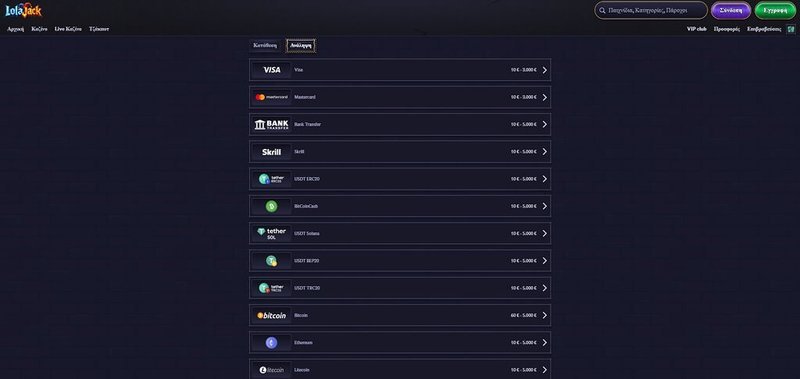
As mobile esports becomes a mainstream entertainment channel, many fans are curious about other online gaming avenues. For those looking to explore a wider range of digital experiences, the Lolajack Casino Login offers a platform where skill and strategy can earn real rewards, blending the thrill of competition with the excitement of online gambling.
Challenges and Limitations
Despite its growth, mobile esports faces hurdles. The most pressing is hardware disparity: players in rural areas with slower broadband experience higher latency, putting them at a disadvantage in time‑sensitive matches. Additionally, the lack of standardized rules across different titles can lead to disputes over fair play. Finally, the monetisation model—often reliant on in‑app purchases—raises concerns about player spending, especially among younger audiences.
Conclusion
Mobile esports is no longer a niche pastime; it is a catalyst for change in the UK’s online entertainment landscape. By lowering entry barriers, attracting diverse audiences, and driving economic activity, it is carving out a permanent niche. While challenges remain, the continued integration of advanced streaming, cloud gaming, and community features suggests that mobile esports will keep reshaping how we play, watch, and engage with digital content.
Frequently Asked Questions
What is mobile esports?
Mobile esports refers to competitive gaming played on smartphones, featuring organized tournaments and prize pools.
How has the UK mobile esports scene evolved?
In the last three years, tournaments with prize pools over £50,000 have risen from a handful to over thirty, indicating rapid growth.
Why is mobile esports gaining popularity?
Its accessibility, social media integration, and proven engagement methods attract a wide audience beyond traditional gaming.
What are the future prospects for mobile esports?
Experts predict continued expansion, larger prize pools, and increased mainstream media coverage in the coming years.


Join The Discussion